
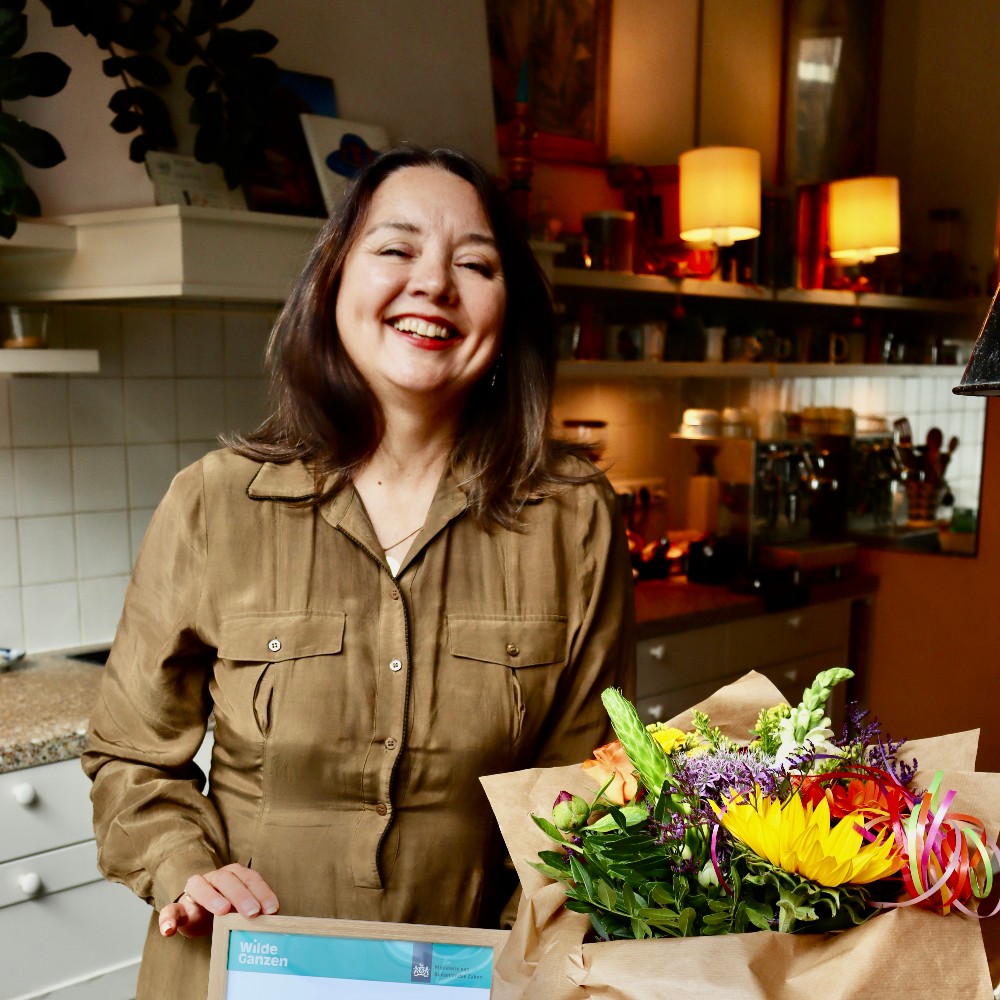
[vc_row row_content_width="grid"][vc_column][vc_column_text css_animation="none"]We zijn heel blij dat ons project op Sulawesi is gekozen als Project van de Week bij Wilde Ganzen en nu te zien is via NPO Start. Het is mooi dat het werk van onze lokale partners en de vrouwen met wie we samenwerken zo een groter publiek bereikt. In ons project pakken we een probleem aan dat daar dagelijks voelbaar is: de vervuiling van drinkwater en voedsel door plastic. Tijdens de Vakantiebeurs in Utrecht vorige week merkten we hoeveel mensen dit ook hier bezighoudt. We voerden mooie

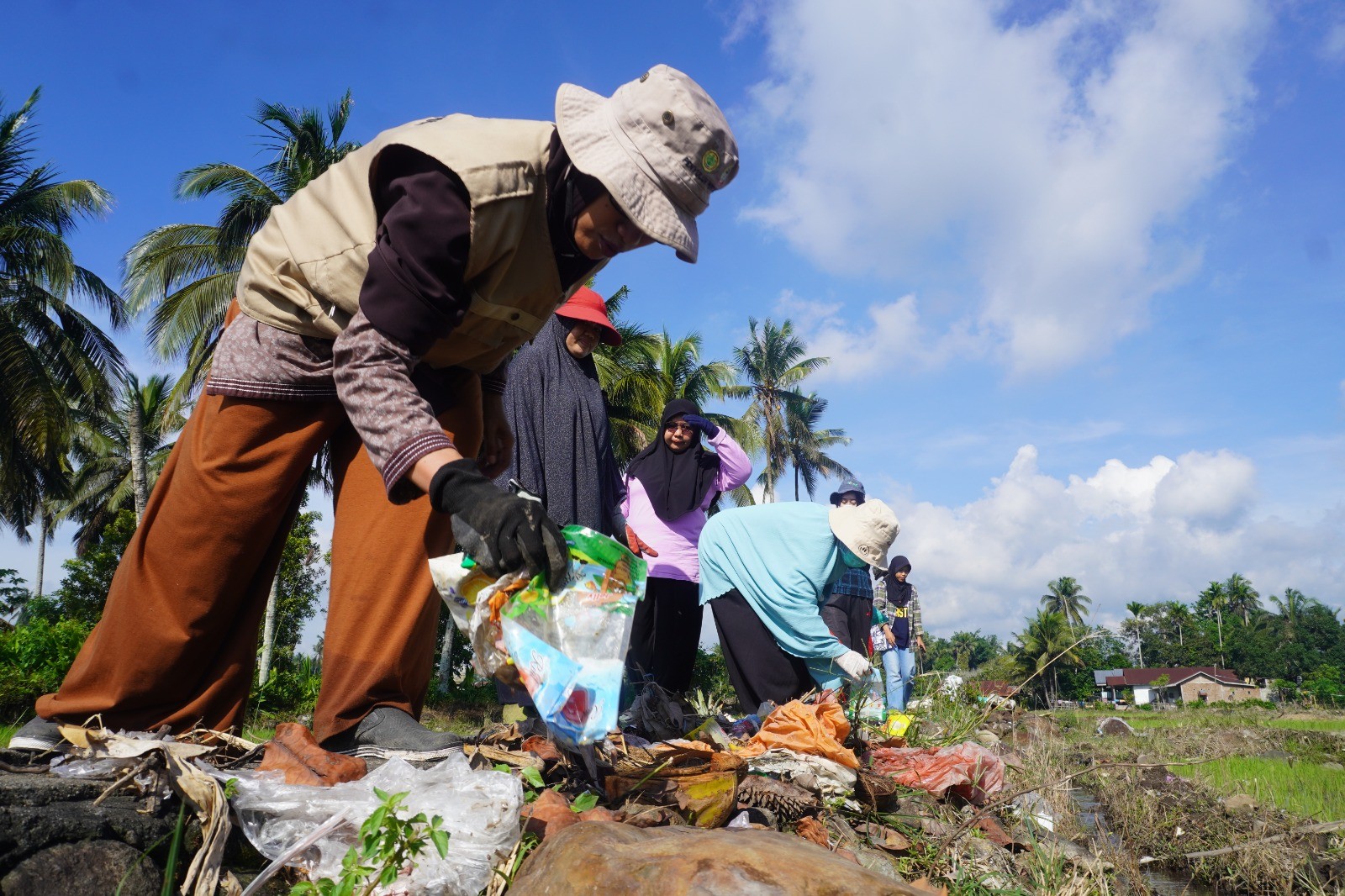
[vc_row row_content_width="grid"][vc_column][vc_column_text css_animation="none"] Over the past year, communities along the Balantieng River in South Sulawesi have shown what becomes possible when women are supported to lead solutions to plastic pollution. Plastic waste affects everyone in the watershed, but women are among the most impacted. They are responsible for household water, waste and family health, and they are often the first to experience the consequences of polluted rivers. At the same time, they are proving to be the strongest drivers of change. From vulnerability to leadership In six villages

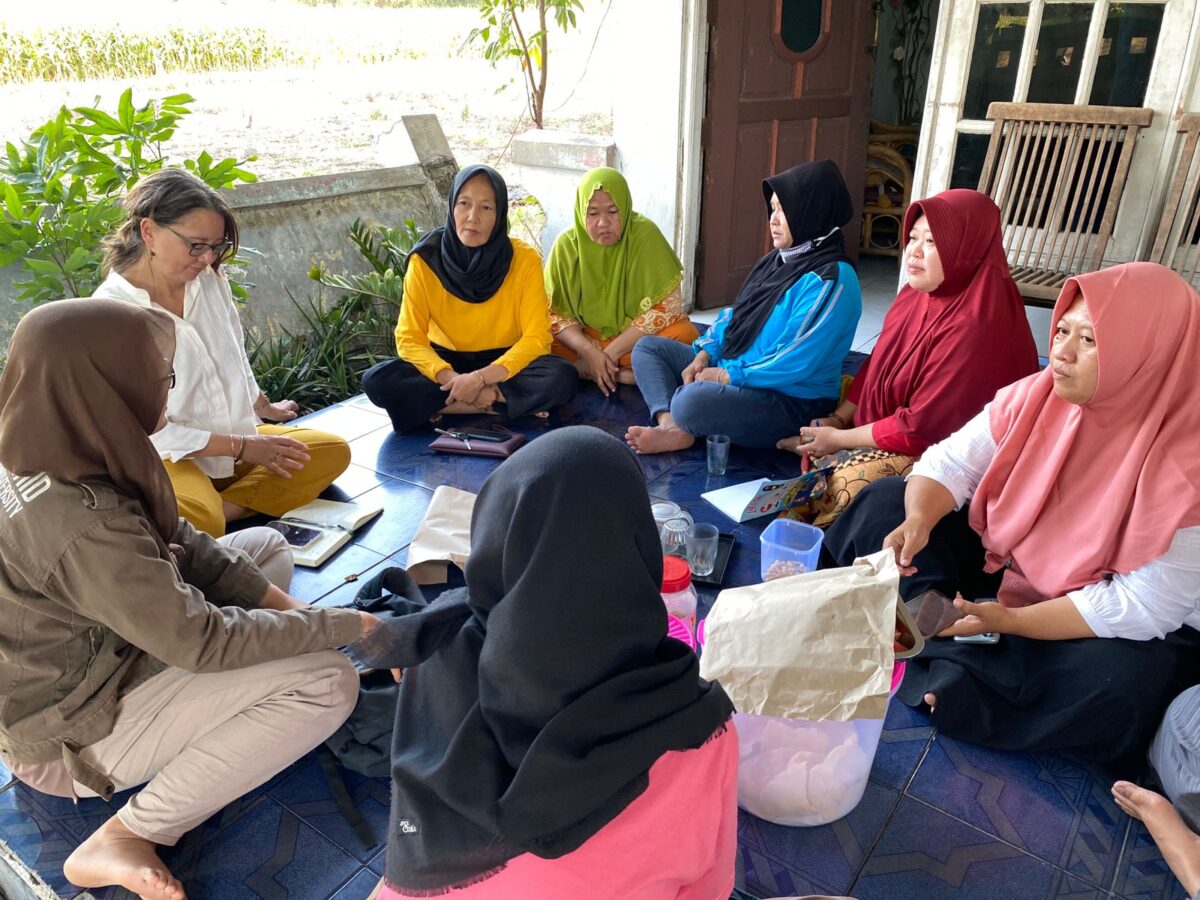
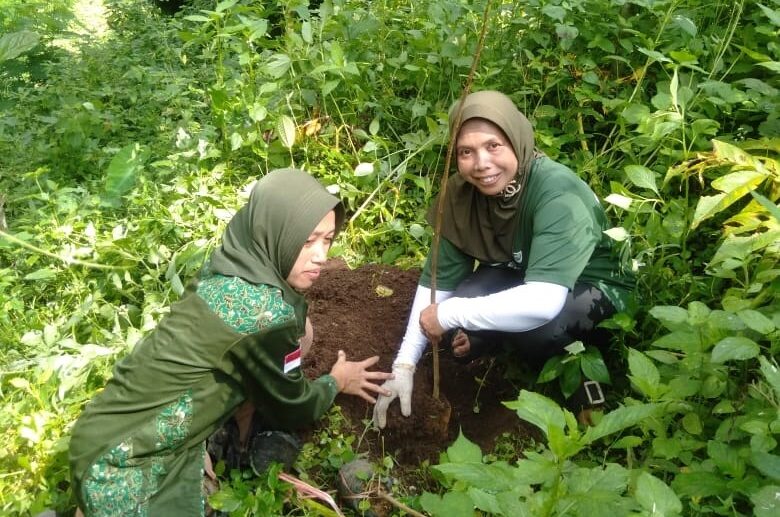
In the remote village of Panglungan, East Java, a group of determined women is leading the charge to protect and restore their forest. Under the banner of KTH Kepuh, a women-led agroforestry cooperative, they have been working for over two decades to rehabilitate the land, safeguard water sources, and create sustainable livelihoods. Over the past five years, our local partner ECOTON has worked closely with them as part of the Indonesian-Dutch AKSI Brantas partnership, providing training in water quality monitoring, coaching in environmental advocacy, and

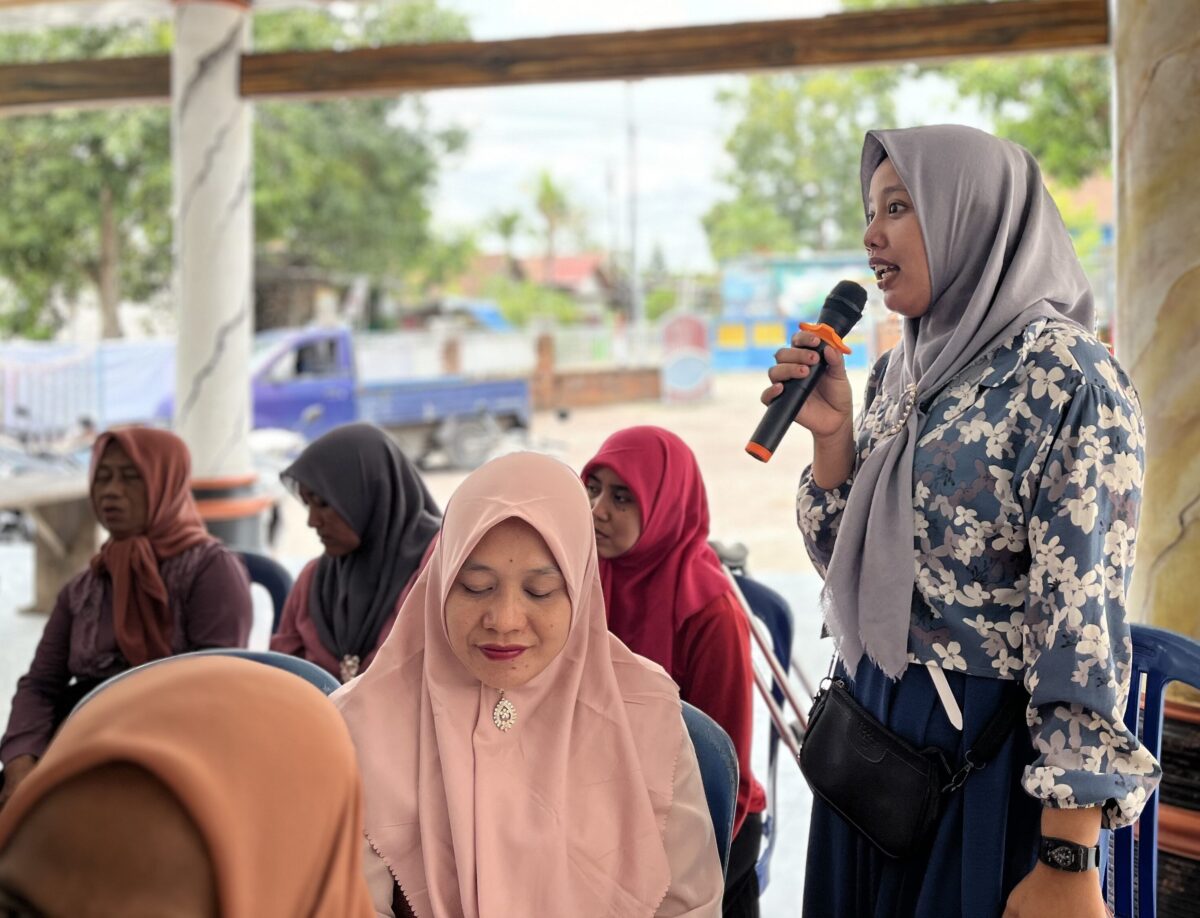
On the second day of the Aksi Balantieng workshop, local community groups presented their Green Business Plans, with facilitation from Terasmitra and ECOTON. Many of the participants are engaged in producing sustainable goods such as seaweed, palm sugar, coconut oil, and eco-enzymes, which they process further into snacks and soap. Their creativity and commitment highlight the potential of community-led enterprises in promoting environmentally friendly livelihoods. Several groups also expressed interest in establishing Zero Waste Stores, where they plan to sell locally grown, organic products directly to

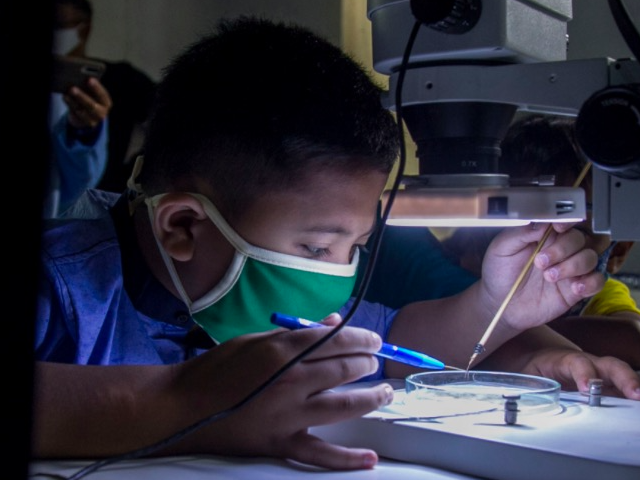
The KALI SURABAYA DETECTIVE SCHOOL program is an inspiring example of enabling children to protect their river. Equipped with research instruments, children visit the river and analyze water samples under the microscope. This time they found plankton, but also microplastics. In a creative workshop the children visualized their findings and concerns.